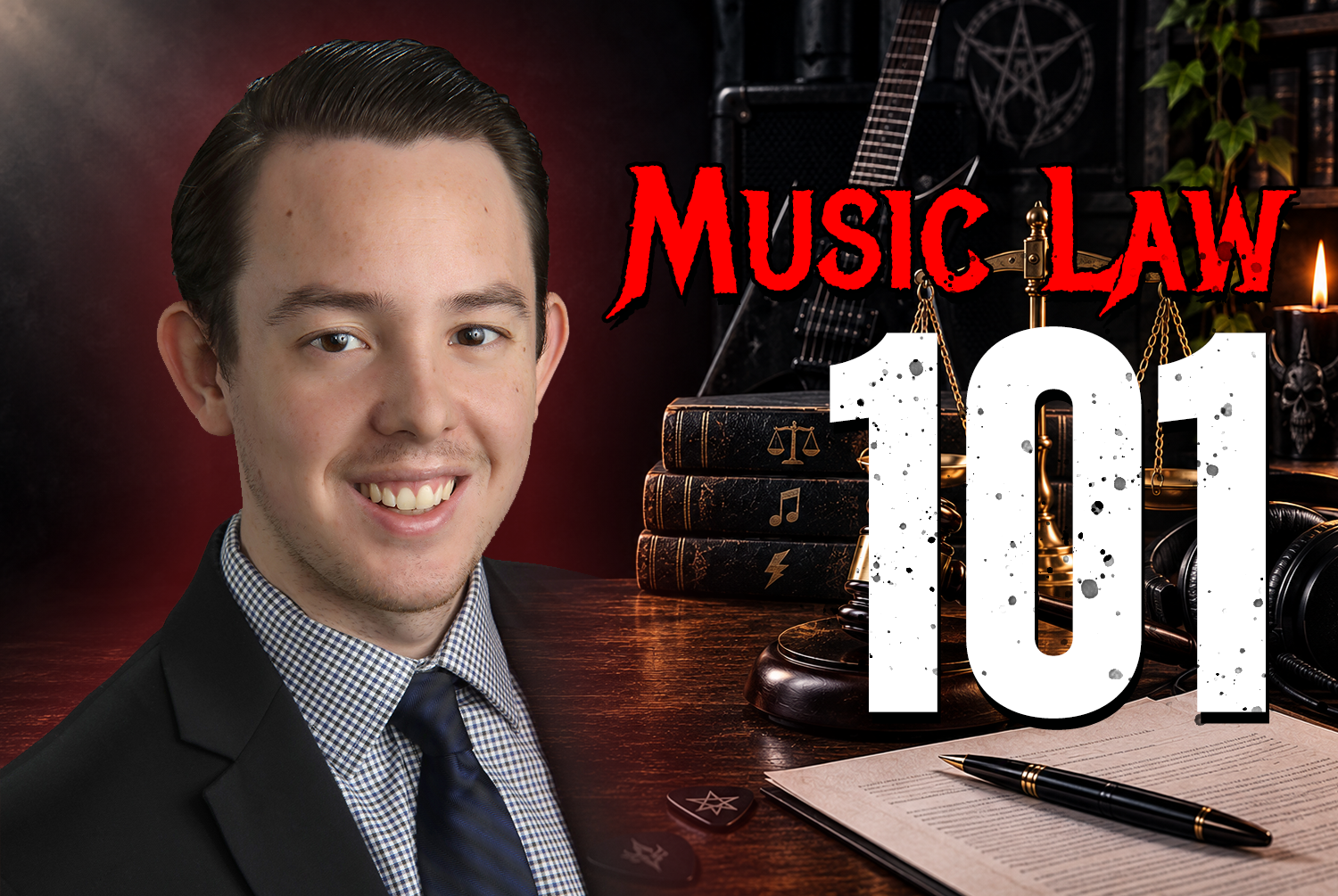
Music Law 101

Understand the legal side of the music business before a bad contract, lost royalty, or ownership dispute costs you your music.

Know Your Rights Before You Sign Them Away.

Being a great musician isn’t enough.


You can write incredible songs, build a dedicated fanbase, tour the world, and still lose control of your music if you don’t understand the legal agreements surrounding your career.


Music Law 101 was created to give independent artists and bands a practical foundation in the legal concepts that affect their music, money, intellectual property, contracts, and relationships throughout the music industry.

Does This Sound Like You?

Contract Confusion

You get handed a record, publishing, management, or licensing agreement and have no idea what you're actually agreeing to.

You Own Music... But Don't Know What You Own

You've heard terms like master, publishing, composition, mechanical, performance royalty, and copyright—but you're not completely sure how they fit together.

You're Afraid of Giving Away Your Rights

You know that contracts can involve ownership of your music, but you don't know what you're giving away, what you're keeping, or whether you can ever get those rights back.

You Don't Have a Legal Team Yet

You're an independent artist or band trying to build your career without a massive budget for lawyers, managers, and business professionals.

Your Music Business Today vs. After This Course

Your Struggles Today 😔

“I Don't Know What I'm Signing”

Contracts are full of legal language that makes it difficult to understand what you're actually agreeing to.

“I Don't Know Who Owns My Music”

You're not sure how master recordings, compositions, publishing, and songwriting ownership fit together.

“Where Did My Royalties Go?”

You hear that your music is generating revenue, but you don't understand who collects it or where it comes from.

“I Don't Know What My Manager Is Allowed To Do”

You have questions about management percentages, contract terms, authority, termination, and conflicts of interest.

“What Happens If Something Goes Wrong?”

You don't know what your options are when a label, distributor, manager, publisher, or business partner fails to honor an agreement.

Your Reality Tomorrow 🚀

Understand Your Intellectual Property

You can distinguish between composition copyrights, sound recording copyrights, trademarks, publishing rights, and other forms of intellectual property.

Read Music Contracts With Context

You'll understand the major concepts behind band agreements, management agreements, work-for-hire arrangements, copyright assignments, publishing deals, record deals, licensing agreements, and more.

Understand Where Your Money Comes From

You'll understand the basic royalty systems behind public performance, mechanical, SoundExchange, streaming, publishing, synchronization, and sound recording income.

Recognize Red Flags

You'll know the questions to ask before signing away valuable rights or entering into a long-term business relationship.

Build Your Team Intelligently

You'll understand what managers, business managers, lawyers, booking agents, and PR professionals are supposed to do—and when you may actually need them.

Don't Learn Music Business Law After Something Goes Wrong

Here’s one of the biggest problems facing independent artists: 

They learn the legal side of the music business after they’ve already signed the contract. After they’ve already given away the master. 

After they’ve already discovered a royalty problem. 

After they’ve already gotten into a dispute with a band member. 

After they’ve already signed a management agreement. 

After they’ve already built their career around a name that somebody else claims. By then, the available options may be much more complicated—and much more expensive. That’s why Music Law 101 approaches the subject from the artist’s perspective. 

Instead of trying to turn you into a lawyer, this course teaches you the fundamental concepts you need to recognize, understand, and discuss the legal issues that can affect your career. 

You’ll learn directly from entertainment lawyer TJ Klebon, with lessons covering everything from the two copyrights in every song to record deals, publishing, trademarks, copyright termination, artist management, international disputes, and emerging AI issues. 

The goal isn’t to replace your lawyer. 

The goal is to help you know when you need one—and give you enough understanding to have a much more productive conversation when you sit down with one.

What You'll Master

Copyright Literacy

Understand the different copyrights connected to your music and why ownership matters.

Business Protection

Learn why band agreements, business entities, trademarks, split sheets, and other legal documents can protect your career as it grows.

Negotiation Awareness

Learn the concepts behind advances, royalty percentages, recoupment, ownership, licensing, options, termination, and other major deal points.

Artist Team Building

Understand when managers, lawyers, business managers, booking agents, and PR professionals can become part of your team.

Real-World Legal Thinking

Move beyond memorizing terminology and learn how legal concepts can interact when an actual music business dispute occurs.

Royalty Intelligence

Understand where music revenue comes from and which organizations and companies may be involved in collecting it.

Stop Being Intimidated By The Legal Side Of Music

You don't need to go to law school. You don't need to memorize statutes. You don't need to become an entertainment attorney.

But if you’re serious about building a career in music, you do need to understand the basic legal framework surrounding your work.

You will learn:

“Unless it’s signed, it doesn’t matter.”

One of the most valuable things an artist can bring into a meeting with an entertainment lawyer isn’t legal expertise…


It’s GOOD QUESTIONS.

My Promise to You

This course isn’t designed to turn you into a lawyer.


It’s designed to make sure you aren’t completely in the dark when the legal side of your music career comes knocking.


You’ll walk away with a much stronger understanding of the terminology, agreements, rights, royalties, and relationships that make up the modern music business.


You’ll also understand something equally important:
Knowing when to call an attorney can be just as valuable as knowing the law itself.


And if you’re not blown away by what you learn?
You’re backed by a 100% money-back guarantee.

Perfect For...

Independent Artists & Bands

Learn the legal fundamentals you need as you build your career without a traditional industry machine behind you.

Managers

Develop a stronger understanding of the legal concepts affecting the artists you represent.

Producers

Understand how your contributions can affect copyright ownership, songwriting splits, work-for-hire arrangements, and recording rights.

Songwriters

Learn how composition copyrights, publishing, split sheets, mechanical royalties, performance royalties, and copyright assignments fit together.

Success Stories

Learn From An Entertainment Lawyer: T.J. Kliebhan

TJ Kliebhan brings the perspective of an entertainment attorney to the course, breaking down complicated music industry legal concepts into practical lessons designed for artists and musicians.


Rather than approaching music law as an abstract academic subject, the course uses contracts, royalty systems, business relationships, intellectual property disputes, record deals, publishing arrangements, trademarks, and hypothetical industry scenarios to demonstrate how these concepts can affect real artists.


The result is a practical introduction to the legal side of the music business designed to help musicians become more informed participants in their own careers.

Start Learning Instantly

“Every unfinished song is a dream lost. Never give up on your dream, you will one day regret it”

Alex Nasla – Cofounder Spectre Academy

$180.00 $300.00
100% money back guarantee!

If you have any issues with your order, don't worry! You have up to 14 days to return and get your money back!

We take your data and security very seriously and use the best and most up-to-date measures available.

Frequently Asked Questions

Do I need any prior knowledge of music law?

No. The course is designed to build your understanding from the ground up. Concepts are introduced progressively, beginning with fundamental copyright concepts and building toward more complex topics such as record deals, publishing, copyright termination, international disputes, and AI.

Is this course only for musicians?

No. The concepts can be useful for songwriters, producers, bands, managers, and other people working in or around the music industry.

Is this course legal advice?

No. This course is educational. It is designed to help you understand the concepts and terminology surrounding music industry law, but it does not create an attorney-client relationship or replace individualized advice from a qualified attorney.

Why should I learn music law if I'm independent?

Independent artists often handle more of their own business responsibilities. Understanding the fundamentals can help you recognize important issues involving ownership, contracts, royalties, publishing, trademarks, and intellectual property before those issues become larger problems.

Will this course teach me how to write my own contracts?

The course discusses many types of agreements and explains the concepts they can contain. However, the purpose is education and awareness—not to encourage artists to replace individualized legal counsel with generic contracts or templates.

Does the course cover record deals?

Yes. The course covers traditional major-label record deals, advances, royalty structures, recoupment, cross-collateralization, 360 deals, licensing agreements, re-recording restrictions, and emerging contract issues involving AI.

Does the course cover publishing?

Yes. You’ll learn about composition copyrights, publishing administration, co-publishing, publisher and writer shares, synchronization, mechanical royalties, public performance royalties, and the reasons an artist might consider different types of publishing arrangements.

Does the course cover trademarks?

Yes. You’ll learn how trademarks differ from copyrights, why artist and band names matter, how trademark classes work, and why thinking about brand protection early can be important.

Does the course cover AI and music?

Yes. The course includes a dedicated lesson on AI and music law covering human authorship, AI-generated music, AI-assisted production, copyright considerations, voice and likeness concerns, platform policies, and emerging legislation.

What happens if I have a specific legal problem?

The course can help you understand the terminology and issues involved, but a specific legal problem should be taken to a qualified attorney who can review your actual facts, contracts, jurisdiction, and circumstances.

Can I take this course if I don't have a record deal?

Absolutely. Understanding these concepts before entering major business relationships can help you approach future opportunities with a much stronger foundation.

More Courses

You might also be interested in these courses

Scroll to Top